
Sustainable Forest Management Program (SFM)
Landscape-level initiative restoring degraded forests in cocoa-producing landscapes across Ghana, rehabilitating over 12,000 hectares and training 4,500 farmers.
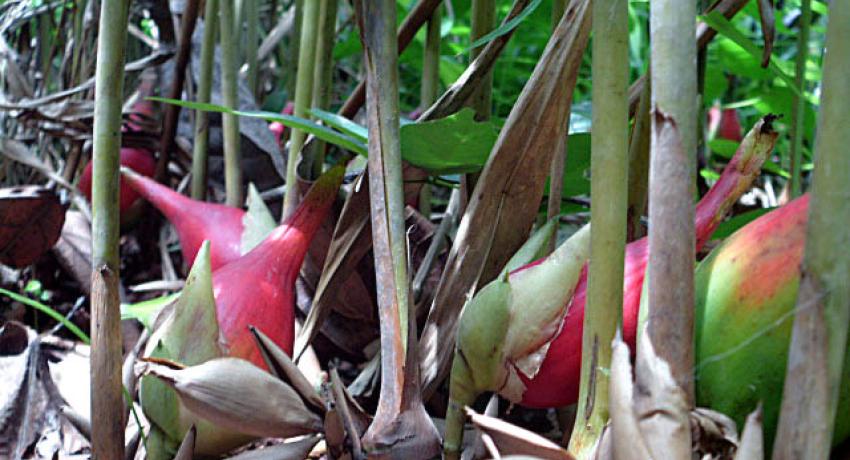
Sustainable forest management can be defined as "conserving the forest to meet the needs of present generations, without compromising the needs of future generations." It includes the conservation, preservation, restoration, protection, administration, and governance of forest resources. The Ghana Sustainable Forest Management (SFM) Program was a joint effort of five organizations connected by a vision of sustainable forest management in Ghana: the National Working Group on Forest Certification, Rural Development and Youth Association, the Kumasi Wood Cluster Association, Agribusiness in Sustainable Natural African Plant Products (ASNAPP), and Friends of the Earth.
The Program was jointly developed and implemented by these organisations based on the belief that the concerted action of forest sector actors will achieve greater impact in promoting sustainable forest management than any individual effort could. Under the programmatic approach, the partnership worked in three clusters: Certification, Non-Timber Forest Products, and Governance Clusters.
At the heart of the program was the desire for recognition of the voices and rights of the poor and marginalized as a credible stakeholder group in a sector highly influenced by commercial interests and political power.
Project Objectives
- Ensure that Forest certification/FLEGT practices are adopted by forest fringe communities and timber firms in program areas.
- Ensure that forest fringe communities in program areas gain access to equitable forest benefits through the practice of good governance amongst key forest stakeholders.
- Ensure that forest fringe communities in program areas realize increased income through the sustainable value chain development of selected non-timber forest products.
Overview of Clusters
The program was developed with the support of the Inter-church Co-operation for Development (ICCO) and was expected to last for 36 months. ICCO later restructured the planned activities after year two of the original contract. The project provided awareness raising and sensitization training to major stakeholders under three clusters:
- Certification Cluster: Provided awareness raising and sensitization training to forest stakeholders on timber tracking, chain of custody certification and all other internal wood control systems and their implications for international timber market requirements.
- Governance Cluster: Developed toolkits on VPA and its related forest legislation in Ghana, used in creating awareness and training for communities, CBOs, radio stations and timber companies. The cluster undertook inception and sensitisation workshops for stakeholders as well as community forest policy fora.
- NTFP Cluster: Consulted, sensitised, and mobilised members of communities fringing forest reserves on the cultivation and wild collection of economic NTFPs like honey, Voacanga, GoP, birds' eye chilli. A seedling nursery and experimental farm were established for the supply of plant NTFP seedlings and capacity building.
During the proposal development stage, the SFM Program's Steering Committee was engaged in a process of joint strategizing and program development over an eight-month period from October 2009 to May 2010, with the support of an external facilitator.
Countries/Locations: Ghana
Project Partners: ASNAPP, WG, KWC, RUDEYA, SFMPG, ICO Cooperation