
Partnership for Food Industry Development – Natural Products Program (PFID-NP)
A 5-year USAID co-funded programme developing the natural plant products sector in rural sub-Saharan Africa through value chain development, market linkages, and capacity building.
The Partnership for Food Industry Development-Natural Products was a 5-year program which aimed at creating sustainable economic development for rural sub-Saharan African communities through the development of the natural plant product sector. Agribusiness in Sustainable Natural African Plant Products (ASNAPP) was a USAID co-funded program established in 1999 to help develop the natural products sector in Africa by promoting income-generating activities for rural entrepreneurs. The programs included herbal teas, spices, medicinal plants and plant butters which are grown, harvested and sold by rural producers globally.
Together with public and private sector partnerships, the program created sustainable economic growth through product development, market linkages, QA/QC, rural enterprise development, applied research and technology transfer, capacity building, and policy advocacy.
Project Objectives
- Improve the supply of economically viable and sustainably produced natural plant products of superior quality to identified local, regional and overseas markets.
- Foster innovation, transfer of technology, and support services that help increase environmentally sound production systems and sustainable wild collection of natural plant products.
- Build networks among key stakeholders (growers, wild-crafters, environmentalists, NGOs, herbalists, researchers, and private enterprises) to increase participation of the rural majority in decision-making and value-adding processes.
- Develop human and institutional capacity among stakeholders to strengthen the natural products sector and its ability to contribute to rural economic growth.
- Enhance the information and trade systems linking Africans with international firms and organizations involved in the natural products sector.
- Support vulnerable populations (war, displacement, HIV, poverty) in moving into the sustainable development process.
Project Output
Quality Assurance and Quality Control
- Developed a QC/QA system and process flow for the traditional processing of Kombo nuts, Lippia, Xylopia, and GOP.
- Developed a training manual on Good Manufacturing Practices (GMP) and GACP for NTFPs and trained over 12,000 collectors and processors.
Enterprise Development
- Two women processing groups (Begoro and Ampenkro) set up to process kombo butter for exports; processed over $100,000 worth of butter over a 3-year period.
- A total of 60 hectares of land cultivated/enriched under Spices, Herbal Teas, Essential Oils, Vegetables and Herbs clusters.
Research and Technology Transfer
- Successfully propagated Lippia and Cryptolepis through tissue culture technology by KNUST Faculty of Agriculture.
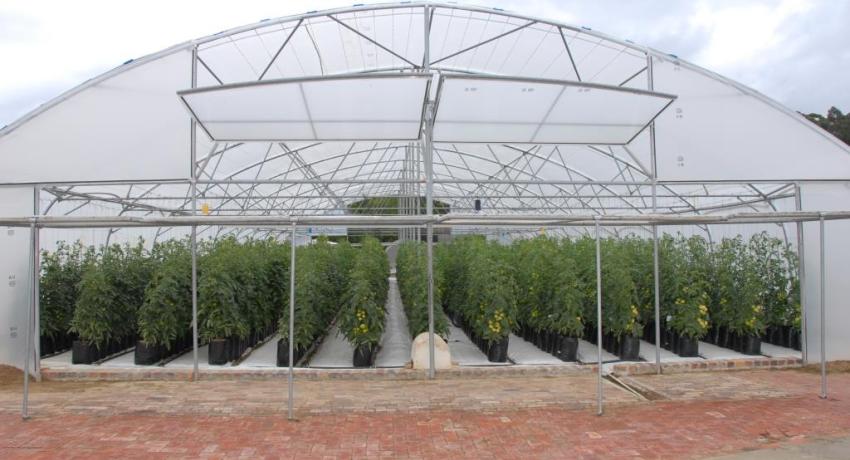
- Developed a low-cost hydroponics system by the Faculty of Agriculture.
Capacity Building
- 10,000 posters produced; training conducted in 339 communities across 6 key regions.
- 10,725 collectors, agents and exporters trained in sustainable harvesting, post-harvest handling, and export practices.
Countries/Locations: South Africa, Senegal, Zambia, Ghana, Rwanda, Madagascar, USA
Project Partners: ASNAPP, USAID, IITA, Stellenbosch University, KNUST, University of Ghana, University of Zambia, Freshmark, SPAR, Woolworth, Sun International Hotel, Protea Hotel